







Digital innovation driving infrastructure resilience
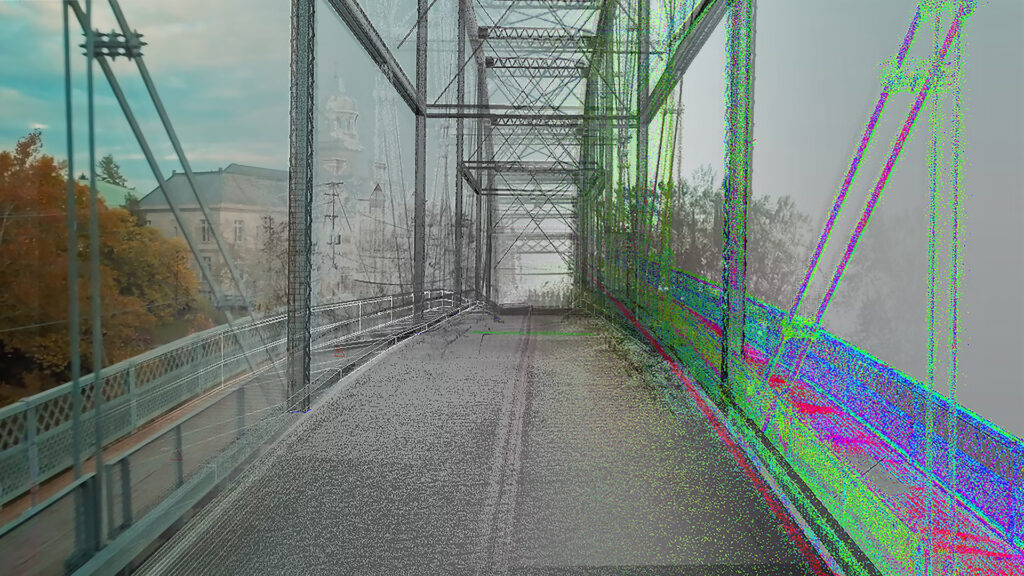
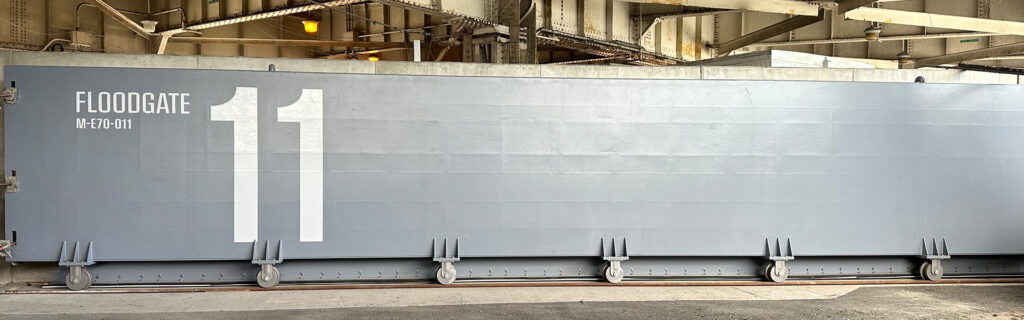
In 2024, climate urgency and aging assets made infrastructure resilience a defining priority. Digital engineering turned resilience into an engine of sustainability and community safety. Projects like Brooklyn Bridge–Montgomery coastal resilience safeguarded thousands of New Yorkers with flood walls and flip-up barriers designed through SYNCHRO’s 4D simulations, blending safety with urban accessibility. Similarly, the advanced analysis and design of flood protection structures project by Arcadis cut modeling time by 95%, turning once-manual flood defense planning into scalable digital automation—critical as the United Nations reports climate disasters are now five times more frequent than in the 1970s.
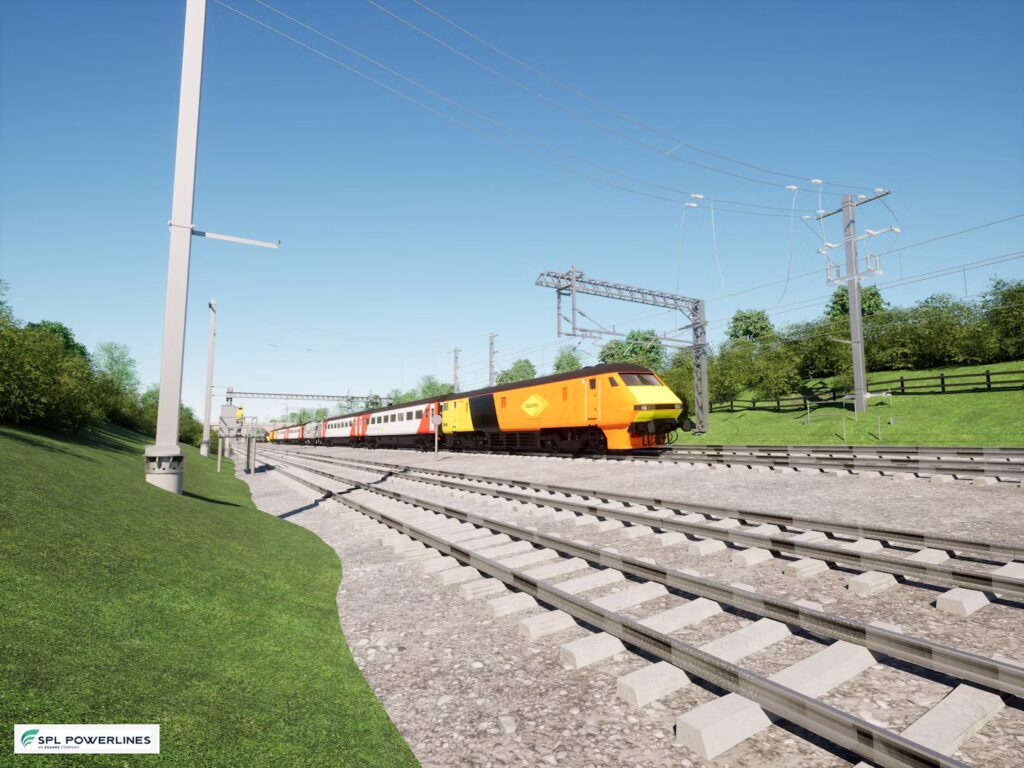
In the United Kingdom, the Midland Mainline electrification project by SPL Powerlines modernized a major transport corridor with a digital twin approach, reducing site visits by 94% and avoiding emissions equal to 500 New York–Paris flights. And in the United States, the Bridging Kentucky program accelerated repairs of over 1,000 deficient bridges, saving USD 350 million while restoring lifelines for rural communities battered by floods.
Together, these projects show how resilience is not just about withstanding shocks, but about building back smarter—using data, automation, and electrification to reduce risks, costs, and carbon.
View Infrastructure resilience Trend


Ultra-high voltage, offshore wind, and emergency response
The push for sustainable, affordable energy accelerated in 2024 as the IEA projected renewables would supply over a third of global electricity by 2028. From hydropower and offshore wind to emergency stabilization, 2024 confirmed that digital solutions are indispensable for delivering the UN’s goal of affordable, sustainable energy for all.
In China, the Butuo ±800kV converter station, the world’s largest, now transmits hydropower over 2,000 kilometers, displacing 27 million tons of coal use annually and preventing nearly 50 million tons of CO₂ emissions.
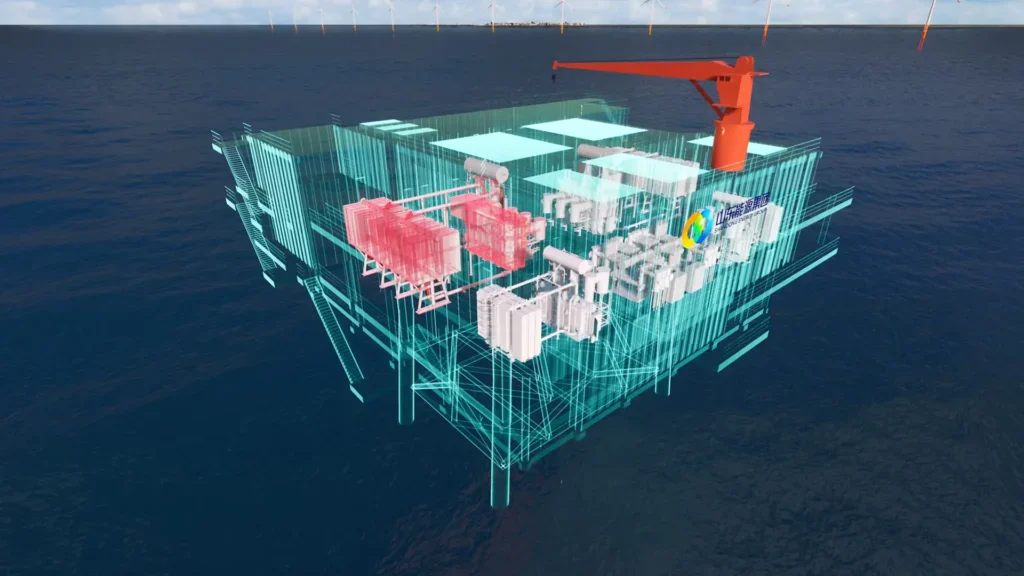
At sea, Shandong Energy’s Bozhong offshore wind farm delivered 1.7 billion kilowatt hours annually—powering millions while avoiding 1.25 million tonnes of CO₂. Digital twins cut project costs by 10% and timelines by 20%, demonstrating how offshore wind can scale faster under tight deadlines and harsh marine conditions.
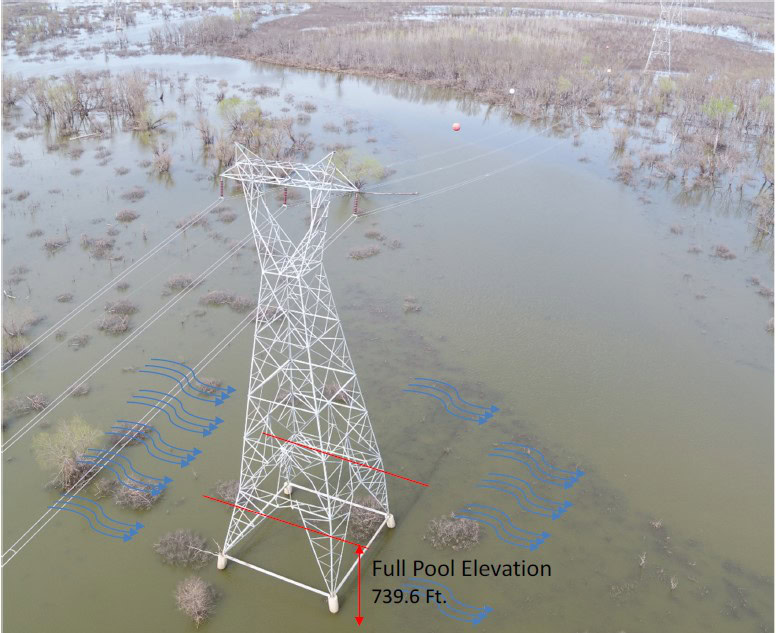
In the U.S., Evergy’s transmission structure stabilization showed resilience in action when flooding threatened critical COVID-era power supply. Using drone-based digital twins, the damaged tower was stabilized in just two months, keeping hospitals and homes powered.
These examples capture the global drive toward energy systems that are clean, reliable, and resilient.
Universities, utilities, and industry
With global infrastructure accounting for nearly 70% of emissions, operational efficiency became central to sustainable growth in 2024. Universities, utilities, and industries proved that efficiency powered by digital twins is the most scalable form of climate action.
The Kaunas University of Technology campus digital twin exemplified this shift, integrating over 2,000 real-time data points to cut operational carbon, manage energy demand, and foster a green-conscious campus community.
In Brazil, Sabesp’s INTEGRA 4.0 program transformed one of the world’s largest water utilities with AI, IoT, and digital twins. By cutting leaks, optimizing pumping, and reducing CO₂ emissions, it turned São Paulo’s water system into a benchmark of smart, resource-efficient urban management.
Meanwhile, in China, the hydrogen metallurgy demonstration project by CERI showcased how digital engineering drives operational change in heavy industry. By switching steelmaking from coal to hydrogen-rich gas and using digital twins for real-time oversight, the plant reduced CO₂ by 70%—800,000 tons annually—while halving structural material needs.
These initiatives highlight how operational intelligence isn’t just about cost savings: it’s a pathway to decarbonization, resilience, and competitiveness.
Building quality of life
In 2024, infrastructure was judged not only by efficiency but by its social impact.
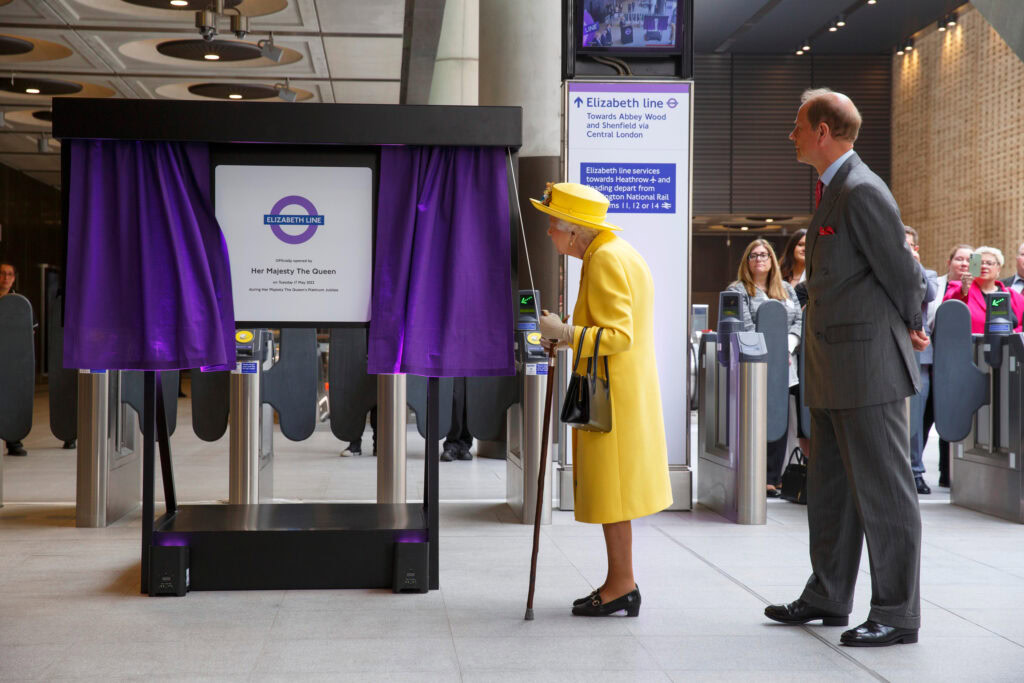
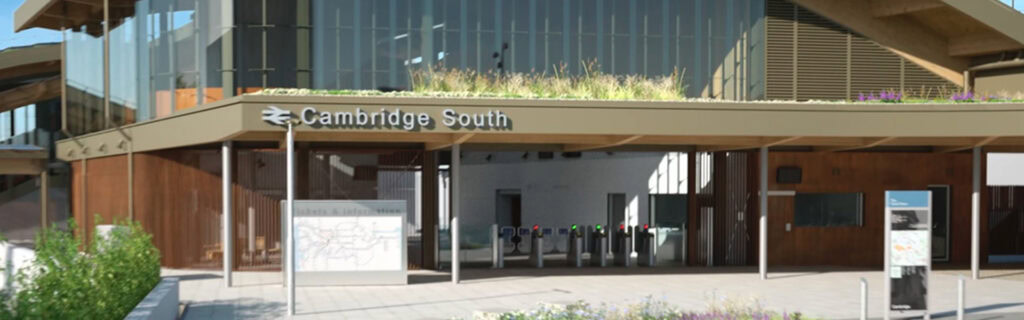
In the United Kingdom, the Cambridge South infrastructure enhancements created a net zero carbon rail station to serve the city’s growing biomedical campus. By cutting more than 1,100 car trips each day, the project will reduce emissions, improve air quality, and support healthier commuting. With solar panels, a green-blue roof, and wildlife habitats, the station combines sustainable transport with environmental stewardship. Elsewhere, London’s Elizabeth Line carried 200 million riders in its first year, easing congestion by 10% and shifting thousands from cars to rail—reducing emissions and boosting local economies by billions annually.
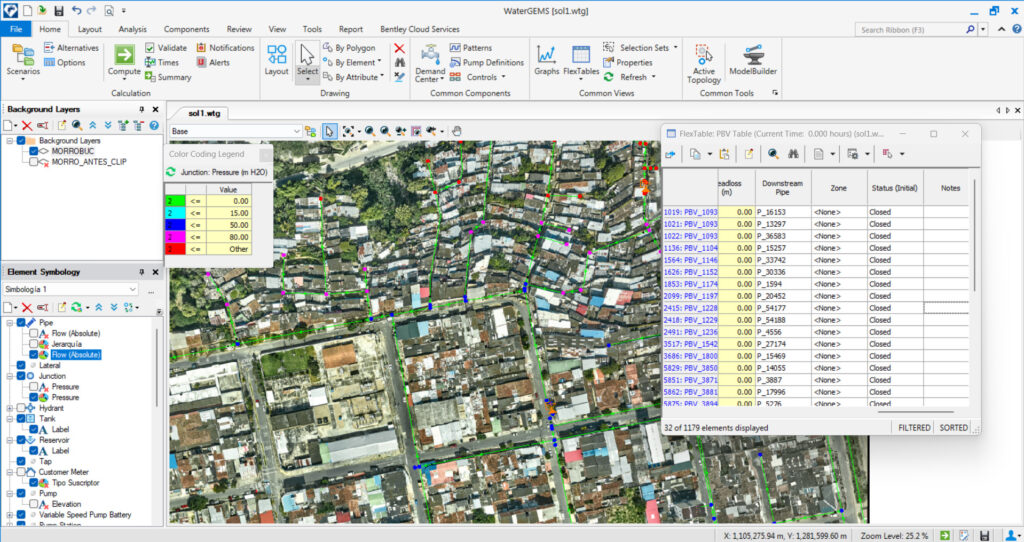
Water security also took center stage. In the Philippines, Maynilad Water’s pioneering potable reuse project now supplies 10 million liters daily, safeguarding water for 270,000 people. Using OpenFlows Sewer, engineers modeled real-time conditions, ensuring safe, efficient integration into Manila’s existing network. And in Colombia, Bucaramanga’s water optimization project applied AI-driven valve adjustments to recover 7,000 cubic meters of water monthly, reducing strain on ecosystems during severe droughts.
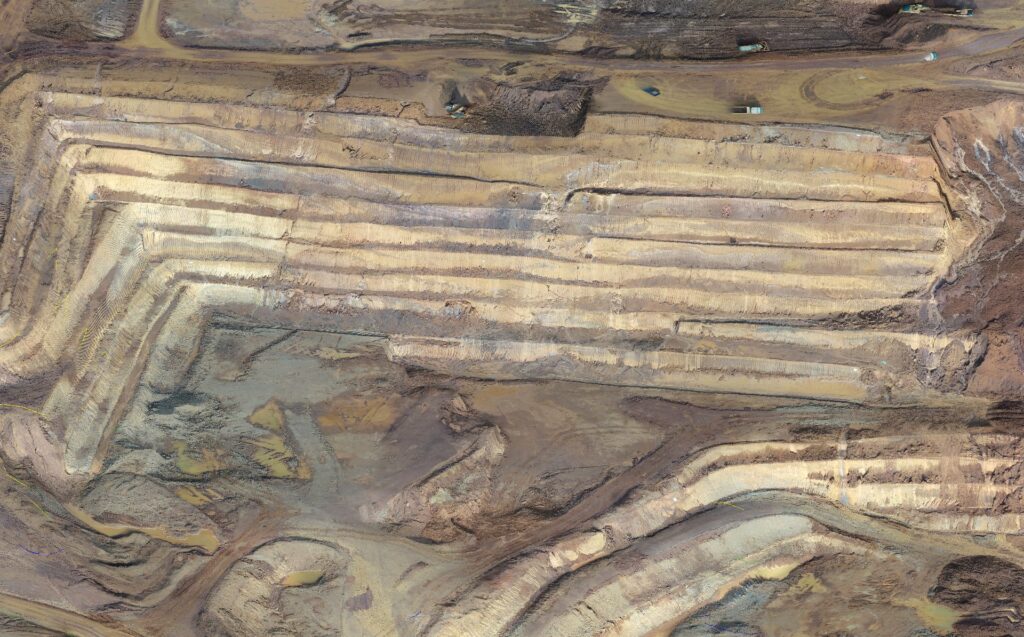
Meanwhile, in Indonesia, nickel-cobalt exploration by SMGC balanced critical mineral extraction with environmental stewardship, cutting drilling needs by 80% and reducing water and CO₂ impacts. The project also engaged local communities to ensure fair benefits from global supply chain demands for EVs and batteries.
Collectively, these initiatives highlight how digital innovation enhances quality of life—shaping cities and systems for delivering clean water, clean air, and equitable growth for communities worldwide.