TREND
Social Impact & Quality of Life
In 2024, infrastructure was judged not only by efficiency but by its social impact.
2024 TREND
Social Impact & Quality of Life
Transit, water security, and critical minerals: Building quality of life in 2024
In 2024, infrastructure was judged not only by efficiency but by its social impact.
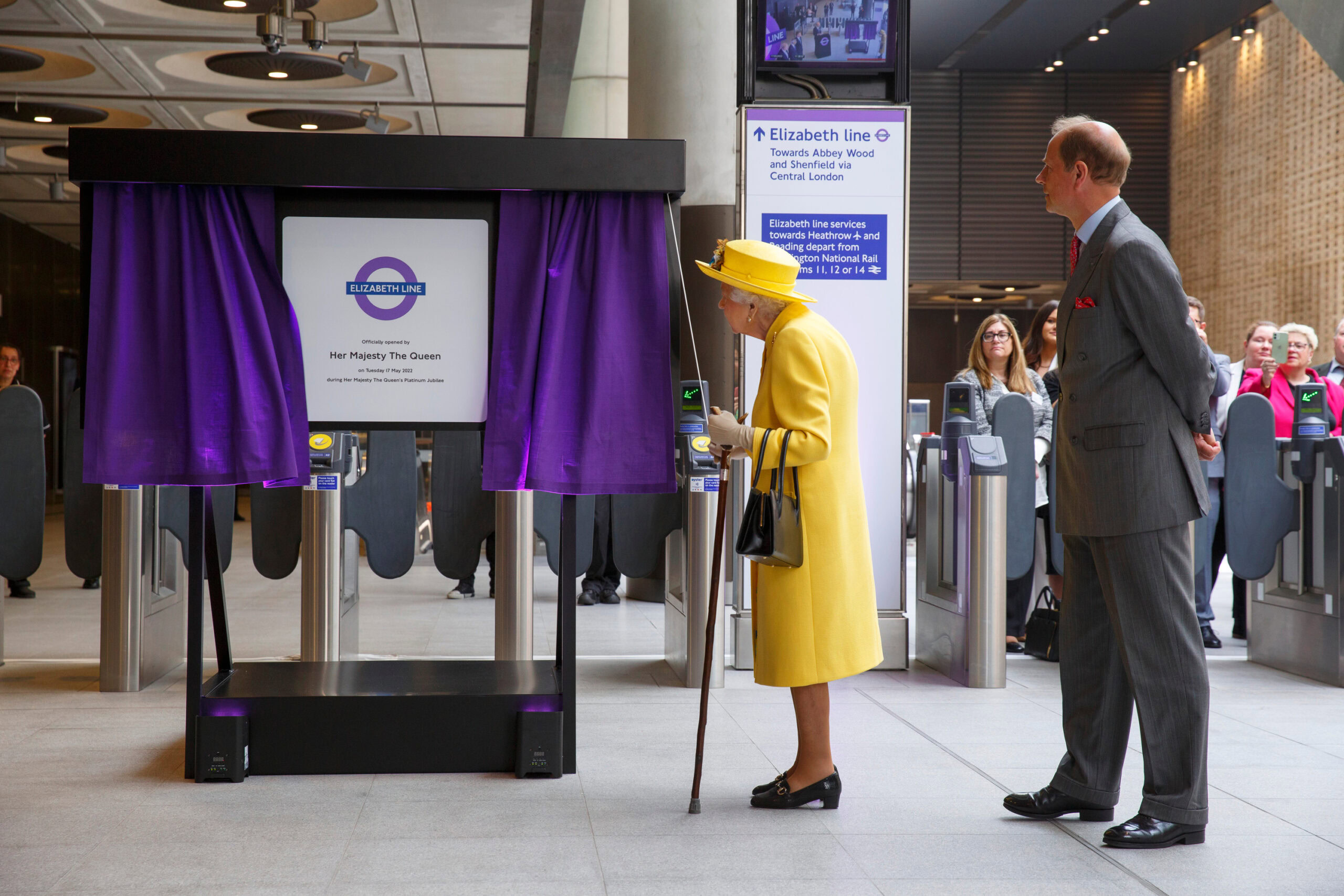
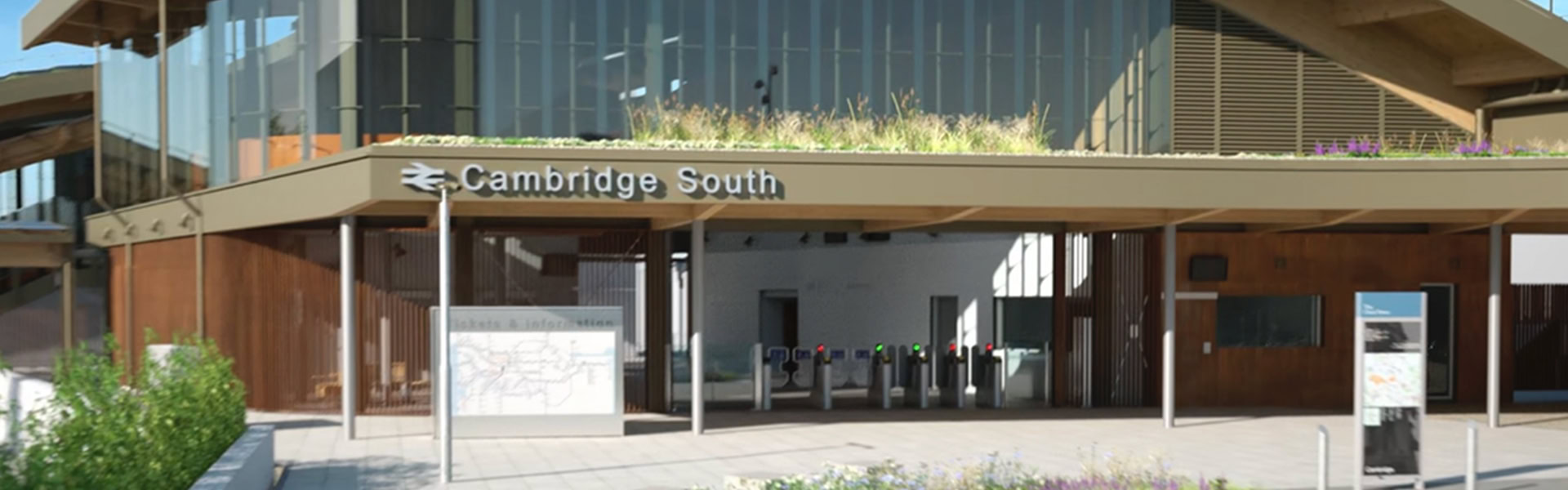
In the United Kingdom, the Cambridge South infrastructure enhancements created a net zero carbon rail station to serve the city’s growing biomedical campus. By cutting more than 1,100 car trips each day, the project will reduce emissions, improve air quality, and support healthier commuting. With solar panels, a green-blue roof, and wildlife habitats, the station combines sustainable transport with environmental stewardship. Elsewhere, London’s Elizabeth Line carried 200 million riders in its first year, easing congestion by 10% and shifting thousands from cars to rail—reducing emissions and boosting local economies by billions annually.
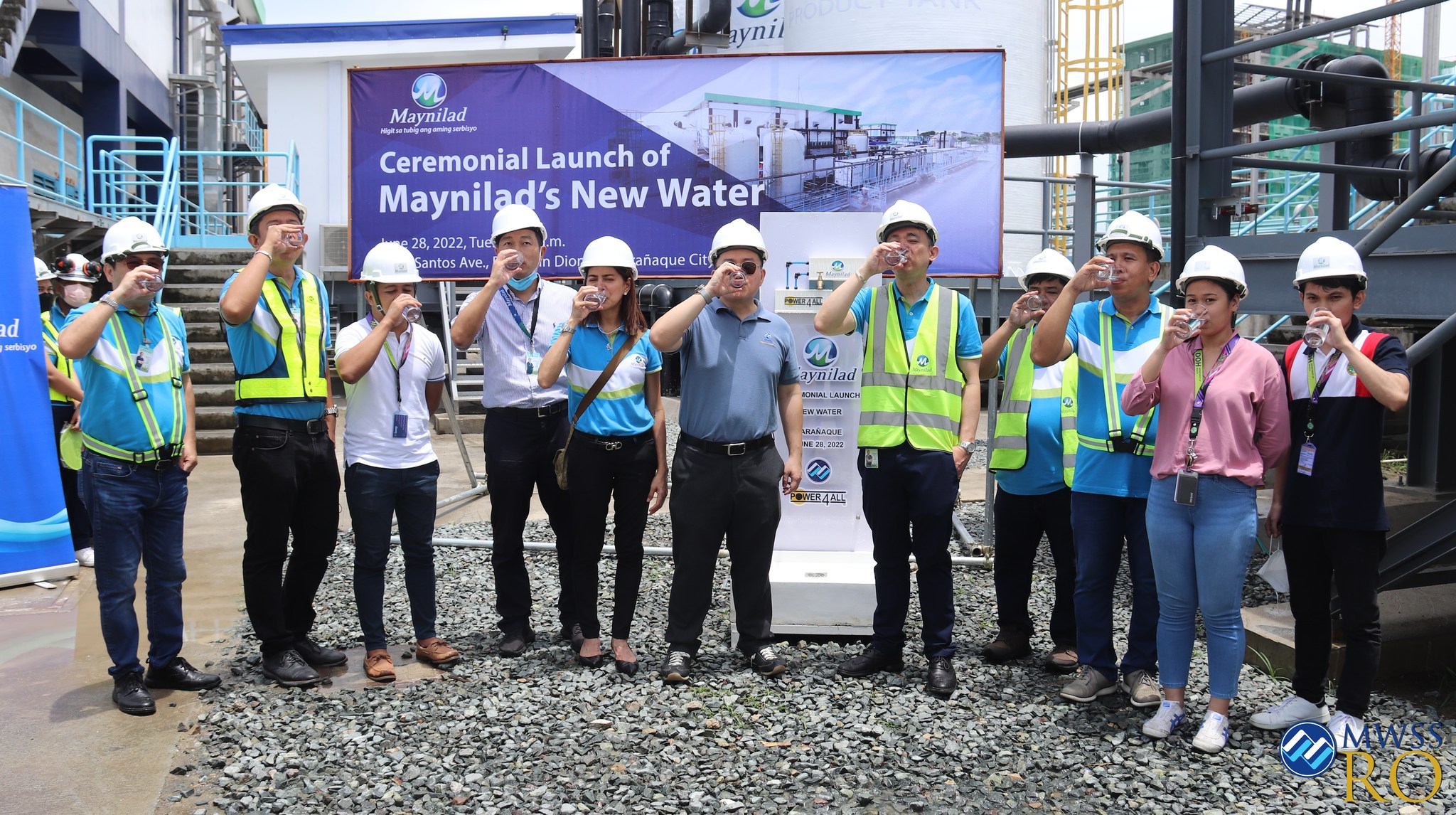
Water security also took center stage. In the Philippines, Maynilad Water’s pioneering potable reuse project now supplies 10 million liters daily, safeguarding water for 270,000 people. Using OpenFlows Sewer, engineers modeled real-time conditions, ensuring safe, efficient integration into Manila’s existing network. And in Colombia, Bucaramanga’s water optimization project applied AI-driven valve adjustments to recover 7,000 cubic meters of water monthly, reducing strain on ecosystems during severe droughts.
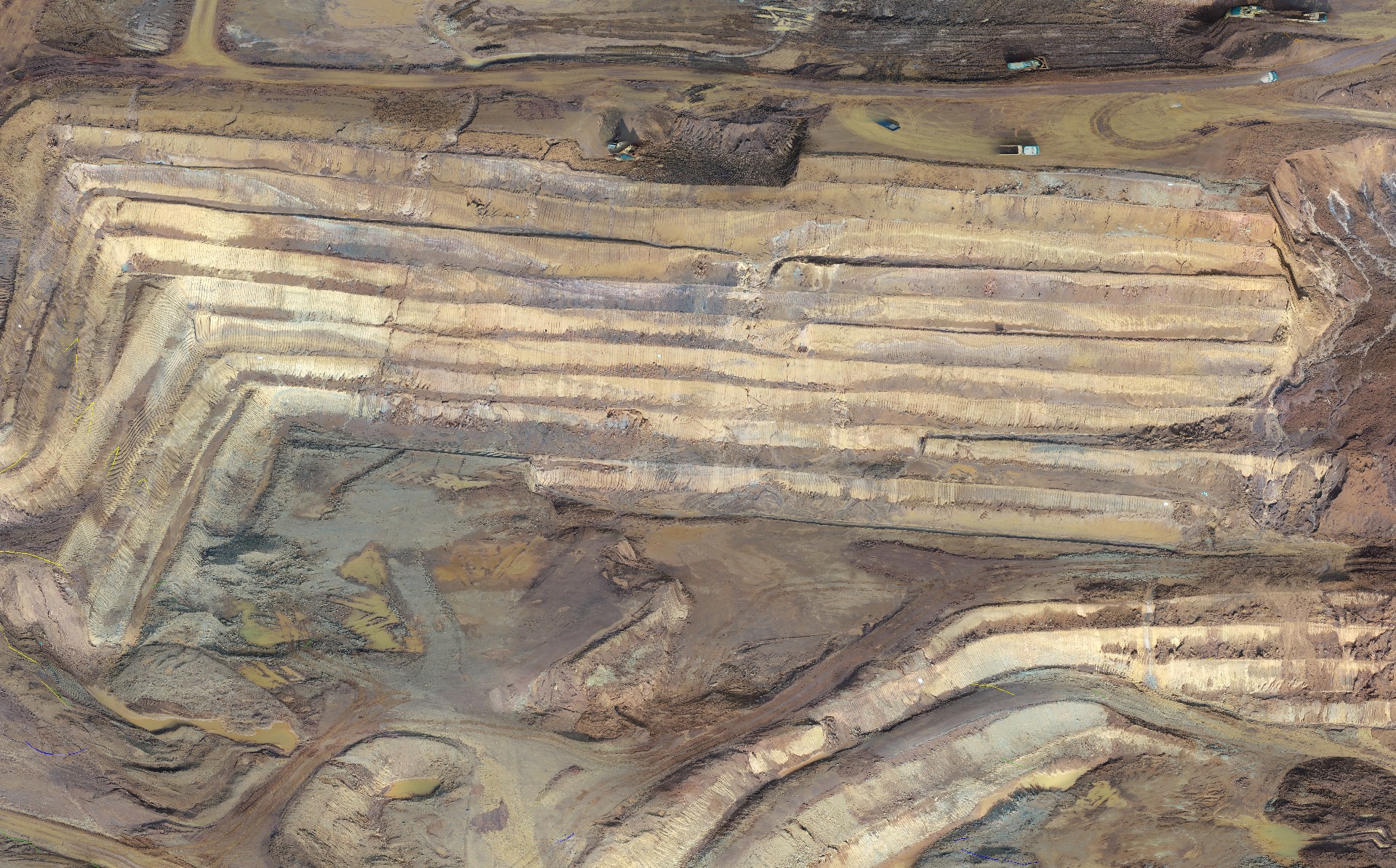
Meanwhile, in Indonesia, nickel-cobalt exploration by SMGC balanced critical mineral extraction with environmental stewardship, cutting drilling needs by 80% and reducing water and CO₂ impacts. The project also engaged local communities to ensure fair benefits from global supply chain demands for EVs and batteries.
Collectively, these initiatives highlight how digital innovation enhances quality of life—shaping cities and systems for delivering clean water, clean air, and equitable growth for communities worldwide.
Transit, water security, and critical minerals: Building quality of life in 2024
In 2024, infrastructure was judged not only by efficiency but by its social impact.
In the United Kingdom, the Cambridge South infrastructure enhancements created a net zero carbon rail station to serve the city’s growing biomedical campus. By cutting more than 1,100 car trips each day, the project will reduce emissions, improve air quality, and support healthier commuting. With solar panels, a green-blue roof, and wildlife habitats, the station combines sustainable transport with environmental stewardship. Elsewhere, London’s Elizabeth Line carried 200 million riders in its first year, easing congestion by 10% and shifting thousands from cars to rail—reducing emissions and boosting local economies by billions annually.
Water security also took center stage. In the Philippines, Maynilad Water’s pioneering potable reuse project now supplies 10 million liters daily, safeguarding water for 270,000 people. Using OpenFlows Sewer, engineers modeled real-time conditions, ensuring safe, efficient integration into Manila’s existing network. And in Colombia, Bucaramanga’s water optimization project applied AI-driven valve adjustments to recover 7,000 cubic meters of water monthly, reducing strain on ecosystems during severe droughts.
Meanwhile, in Indonesia, nickel-cobalt exploration by SMGC balanced critical mineral extraction with environmental stewardship, cutting drilling needs by 80% and reducing water and CO₂ impacts. The project also engaged local communities to ensure fair benefits from global supply chain demands for EVs and batteries.
Collectively, these initiatives highlight how digital innovation enhances quality of life—shaping cities and systems for delivering clean water, clean air, and equitable growth for communities worldwide.