Enabling affordable, accessible, sustainable energy
The push for sustainable, affordable energy accelerated in 2024 as the IEA projected renewables would supply over a third of global electricity by 2028.
2024 TREND
Enabling affordable, accessible, sustainable energy
Ultra-high voltage, offshore wind, and emergency response: Energy Transformation in 2024
The push for sustainable, affordable energy accelerated in 2024 as the IEA projected renewables would supply over a third of global electricity by 2028. From hydropower and offshore wind to emergency stabilization, 2024 confirmed that digital solutions are indispensable for delivering the UN’s goal of affordable, sustainable energy for all.
In China, the Butuo ±800kV converter station, the world’s largest, now transmits hydropower over 2,000 kilometers, displacing 27 million tons of coal use annually and preventing nearly 50 million tons of CO₂ emissions.
At sea, Shandong Energy’s Bozhong offshore wind farm delivered 1.7 billion kilowatt hours annually—powering millions while avoiding 1.25 million tonnes of CO₂. Digital twins cut project costs by 10% and timelines by 20%, demonstrating how offshore wind can scale faster under tight deadlines and harsh marine conditions.
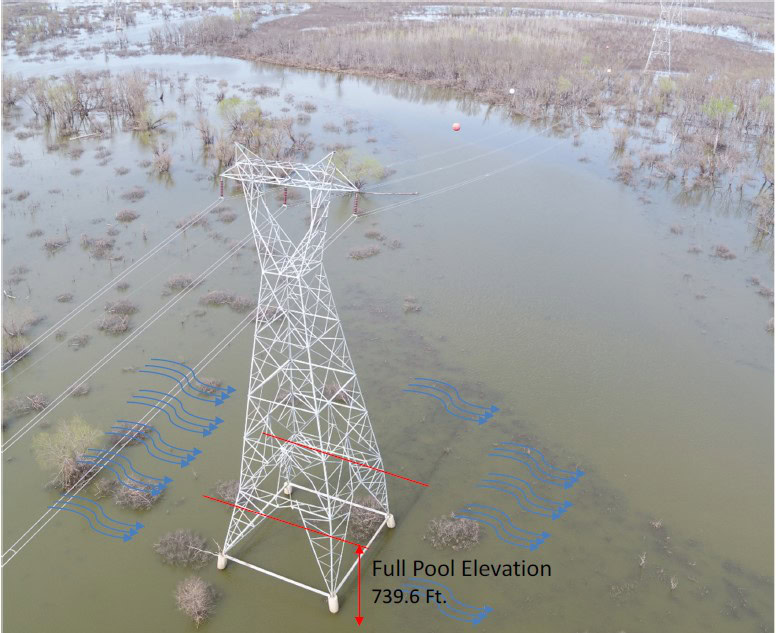
In the U.S., Evergy’s transmission structure stabilization showed resilience in action when flooding threatened critical COVID-era power supply. Using drone-based digital twins, the damaged tower was stabilized in just two months, keeping hospitals and homes powered.
These examples capture the global drive toward energy systems that are clean, reliable, and resilient.
Ultra-high voltage, offshore wind, and emergency response: Energy Transformation in 2024
The push for sustainable, affordable energy accelerated in 2024 as the IEA projected renewables would supply over a third of global electricity by 2028. From hydropower and offshore wind to emergency stabilization, 2024 confirmed that digital solutions are indispensable for delivering the UN’s goal of affordable, sustainable energy for all.
In China, the Butuo ±800kV converter station, the world’s largest, now transmits hydropower over 2,000 kilometers, displacing 27 million tons of coal use annually and preventing nearly 50 million tons of CO₂ emissions.
At sea, Shandong Energy’s Bozhong offshore wind farm delivered 1.7 billion kilowatt hours annually—powering millions while avoiding 1.25 million tonnes of CO₂. Digital twins cut project costs by 10% and timelines by 20%, demonstrating how offshore wind can scale faster under tight deadlines and harsh marine conditions.
In the U.S., Evergy’s transmission structure stabilization showed resilience in action when flooding threatened critical COVID-era power supply. Using drone-based digital twins, the damaged tower was stabilized in just two months, keeping hospitals and homes powered.
These examples capture the global drive toward energy systems that are clean, reliable, and resilient.