Geotechnical
Engineering Excellence Starts below the Surface
Connect subsurface data with civil design to reduce ground risk and deliver resilient transportation infrastructure
Ground risk management for the full asset lifecycle
Understanding ground conditions is critical to avoiding delays, reducing rework, and improving long-term performance. Together with Seequent, The Bentley Subsurface Company, our geotechnical solutions help you integrate subsurface insights into every phase of design and construction, so you can build with greater confidence from the start.
Visualize subsurface conditions
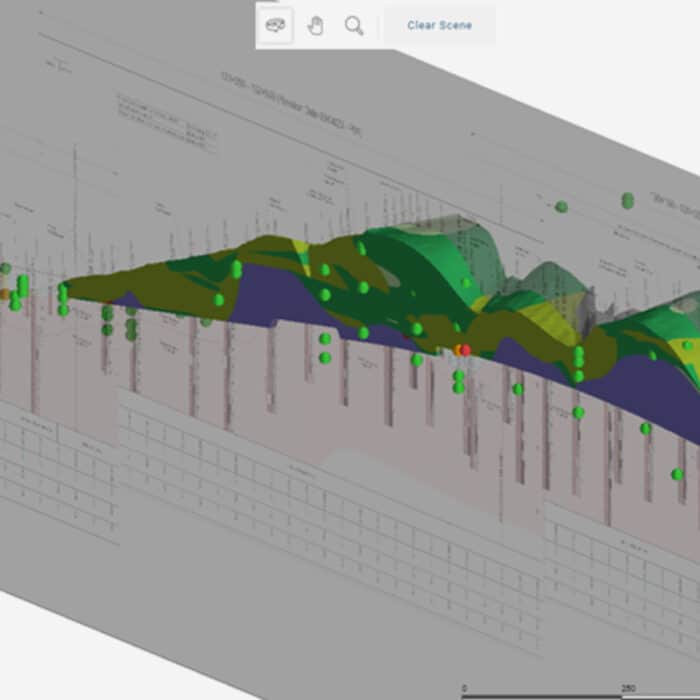
Use 3D geological models and geotechnical analysis to understand ground behavior and support informed design and construction decisions.
Centralize geotechnical data
Manage borehole logs, lab results, and site investigations in one cloud-based platform to eliminate silos, reduce manual transfers, and ensure reliable collaboration.
Combine subsurface and civil design
Connect geotechnical data with civil design workflows to improve constructability, reduce rework, and align designs to actual ground conditions.
Geotechnical design solutions and recommended software
Investigate and develop conceptual site models and analyze engineering behavior to support site investigation, site modeling, material classification, and geotechnical design.
See the full picture
Get a clear understanding of subsurface conditions early and link them directly to civil design. This helps you spot and manage risks before they affect the project.
Work with connected data
Bring all your geotechnical, geological, and design data into one place. A connected digital environment keeps everything up to date, so teams can collaborate and make informed decisions faster.
Stay agile during change
Digital workflows and dynamically refreshed models help teams adjust quickly to new rules, shifting priorities, or changing site conditions—keeping your project on track.
Design solutions and recommended software
Geological modeling
Build and easily refresh 3D geological models using borehole data, geophysics data, historical records, and any new data uncovered throughout the project. Create a shared understanding of subsurface conditions across teams to inform design decisions, construction methods, and material reuse.
Geotechnical data management
Collect, manage, report, and analyze geotechnical data throughout the entire project lifecycle using a secure, enterprise, cloud-based data management platform. Leverage to integrate data with Bentley’s civil engineering products, such as OpenRoads and OpenRail.
Geotechnical construction solutions and recommended software
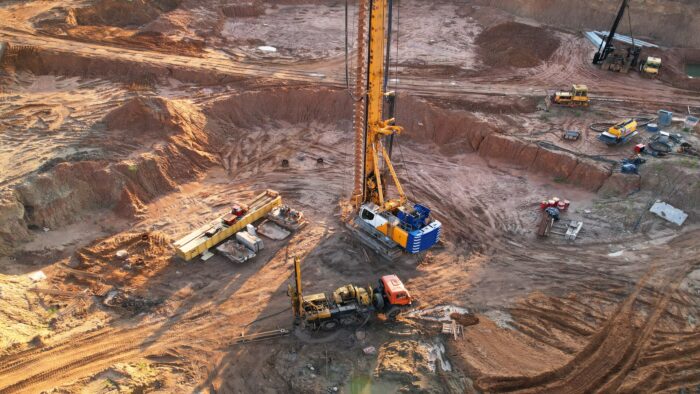
Optimize earthworks and validate excavation plans and ground stabilization to reduce costs and minimize delays. Support material reuse, temporary works design, and as-excavated documentation throughout construction.
Identify reuse opportunities
See and understand potential reuse of ground materials onsite, minimizing truck movements.
Keep control over design costs
Efficiently analyze multiple design scenarios to avoid overdesign, reducing the use of carbon-intensive materials like concrete and steel.
Support long-term performance
Proactively address subsurface challenges to enhance safety, reduce lifecycle costs, and improve asset resilience over time.
Construction Solutions and Recommended Software
As-built documentation
Capture and document actual ground conditions encountered during construction to update geological models and inform future phases or similar projects.
Geotechnical operations and maintenance solutions and recommended software
Monitor asset performance and respond quickly to unexpected issues through geohazard assessment and emergency management response. Upgrade, improve, or remediate existing assets using comprehensive site investigation, modeling, and geotechnical design.
Strengthen resiliency to geohazards
Perform numerical analyses to investigate damping, seismic response of structures, or liquefaction.
Maintain a single source of truth
Easily update geological models with new information and analyses to maintain a shared understanding of conditions.
Communicate complex scenarios
Use 2D or 3D visualization to effectively demonstrate the impact of geohazards to stakeholders for informed decision-making.
Operations and maintenance solutions and recommended software
Performance monitoring and geohazard assessment
Track ground movement, settlement, and stability conditions to identify potential issues and assess landslide, erosion, and settlement risks before they impact asset performance or safety.
- Cloud-based geotechnical data management: OpenGround
- Geotechnical analysis: PLAXIS
- 3D ground modelling for civil and environmental projects: Leapfrog Works
Assessment remediation and improvement
Investigate ground conditions around existing infrastructure and design remediation solutions to extend asset life and improve performance.
- 3D ground modelling for civil and environmental project: Leapfrog Works
- Geotechnical analysis: PLAXIS
- Geotechnical numerical analysis: GeoStudio
Emergency response planning
Rapidly assess ground conditions during emergency events and develop immediate stabilization measures to protect critical infrastructure.
- Cloud-based geotechnical data management: OpenGround
- 3D ground modelling for civil and environmental project: Leapfrog Works
- Geotechnical analysis: PLAXIS
- Geotechnical numerical analysis: GeoStudio
success stories
Hear from our users
Mott MacDonald
Seequent and Bentley applications establish 3D geoBIM analysis
Mott MacDonald optimizes earthwork and material reuse modelling to reduce carbon emissions on HS2.
WSP
The Stephenson Avenue Extension in Perth, Western Australia
WSP automated the analysis of 160 ground improvement designs with PLAXIS.
Aurecon
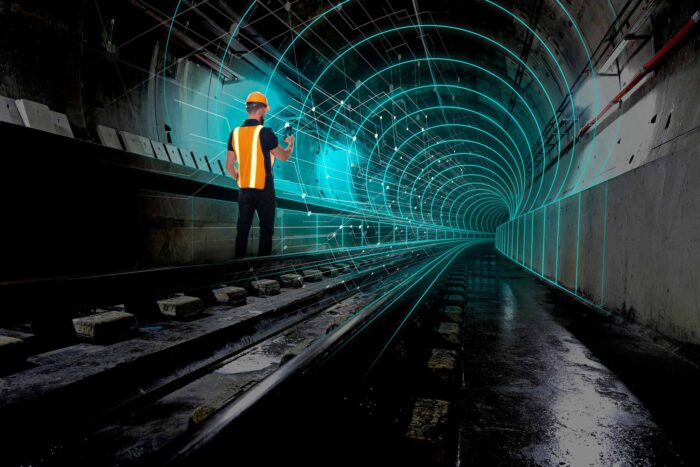
Auckland's City Rail Link
Learn how how the use of 3D modelling has enabled the team at Aurecon to efficiently navigate and communicate subsurface risk, and create a common understanding between the client, contractor and relevant consultancies.
Hatch
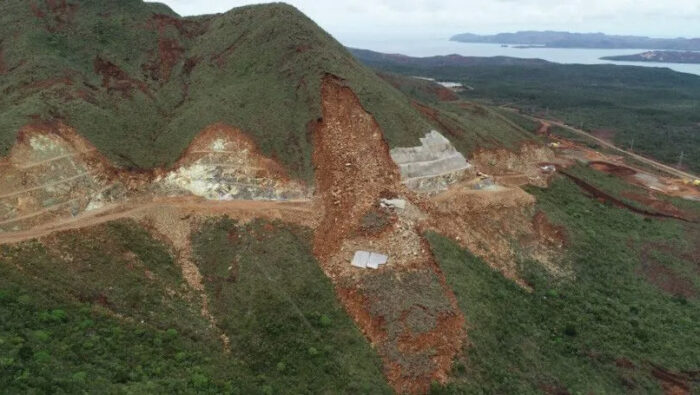
New Caledonian Roadway
- Halved landslide remdiation costs
- Avoided road realignment at double the cost and up to a year’s delay
- Saved 17,000 tonnes of carbon dioxide through remote work and reduced earthworks