Strengthen Geotechnical Analysis with Dynamic 3D Geological Modeling
Explore the key challenges in infrastructure projects and how 3D geological modelling solves them
Understanding ground conditions is crucial to avoiding cost overruns, delays, and safety risks in infrastructure projects. Traditional methods often fall short, leading to inaccurate assumptions and unexpected challenges.
3D geological modeling transforms this process, providing dynamic, data-rich subsurface models that enhance risk assessment, reduce uncertainty, and support better engineering decisions. Integrating 3D modeling into your geotechnical workflow ensures that subsurface data is incorporated into design and construction, paving the way for safer and more efficient infrastructure projects.
Still Relying on CAD-Based Interpretations or Static Sections in Your Geotechnical Analysis?
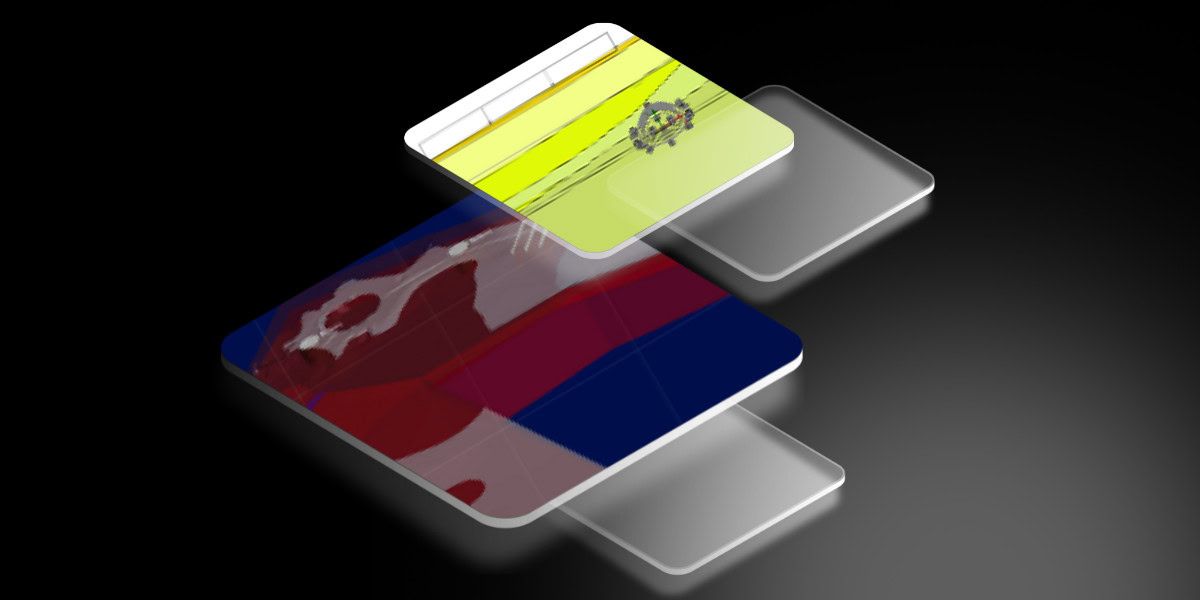
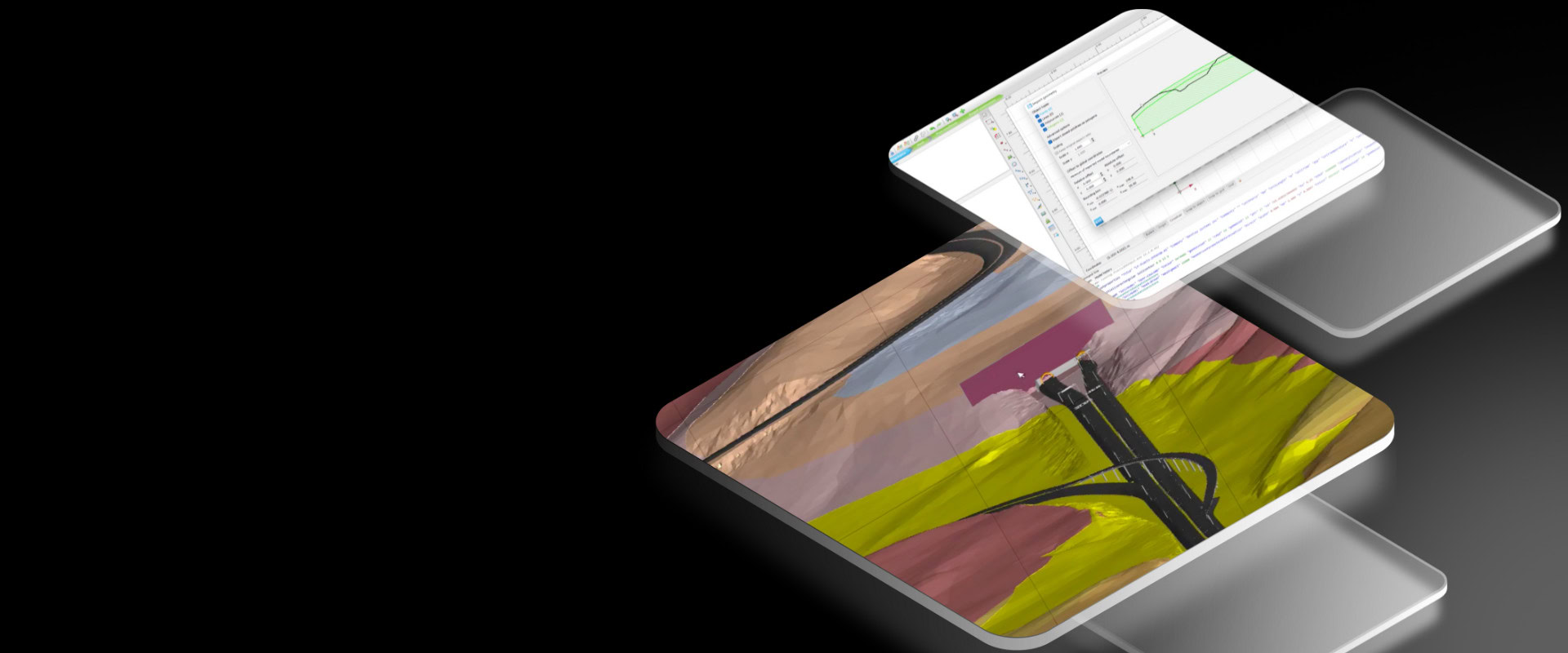
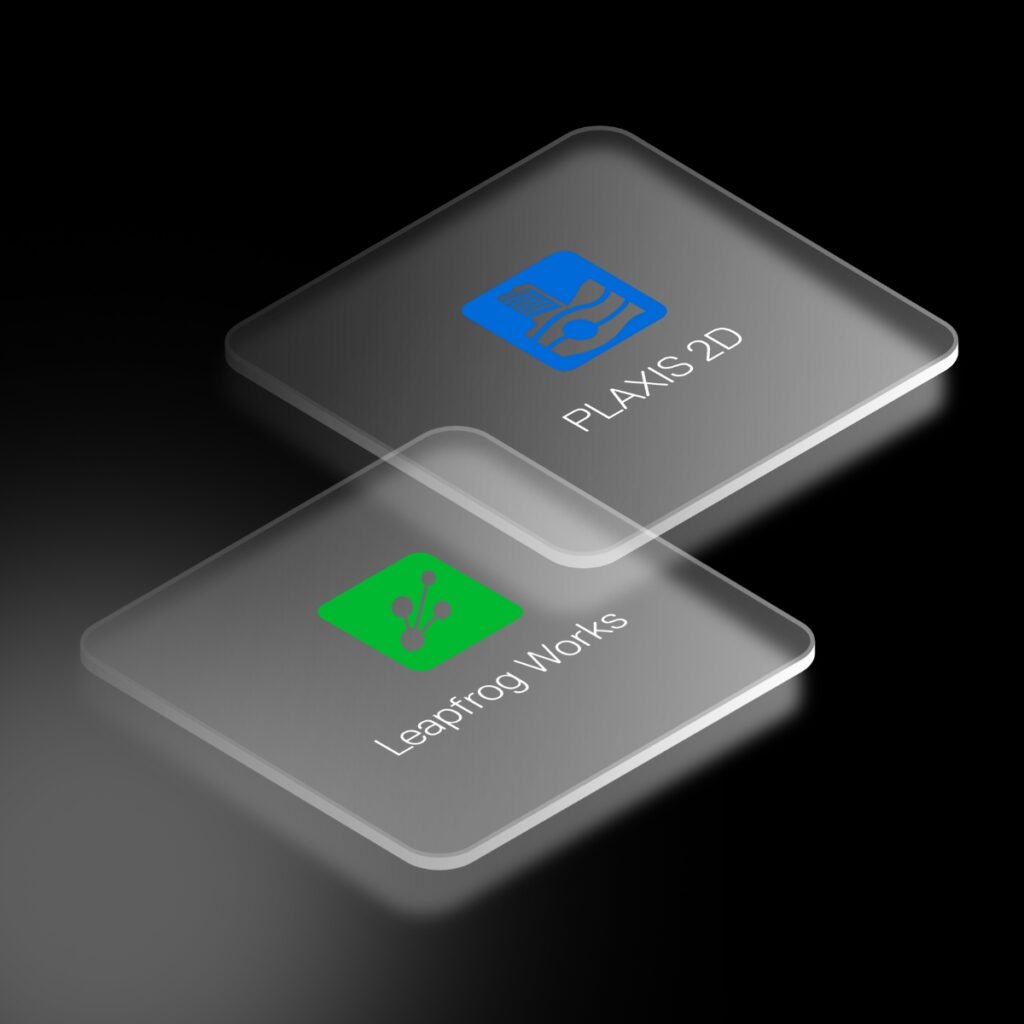
There’s a better way. Create, refine, and dynamically update 3D geological models from multiple data sources in Leapfrog Works, then bring the geometry into PLAXIS 2D to inform your geotechnical analysis.
Want to know how?
Understand the Ground Conditions at Any Stage of Your Project with Leapfrog Works

Increase ground condition confidence
Efficiently produce 3D models to better understand geological continuity, enabling confident planning and decision-making to ensure the safety and stability of infrastructure projects.
Accelerate conceptual modelling and rapidly update
Turn disparate data sources into actionable 3D models with advanced implicit modeling, enabling teams to move from data to decisions faster. Plus, quickly update models as new data becomes available.

See and communicate your project with full context
Combine your geological models with engineering designs, BIM workflows, and groundwater flow models to see the complete picture and make it easier to communicate complex geological data to non-technical stakeholders, such as management, clients, and the general public.
Leapfrog Works and PLAXIS in Action Prof. Quick Und Kollegen, High speed traffic Line, Germany
A new high-speed traffic line in Germany will eliminate bottlenecks and shorten journey times to serve an increase in passengers along the Gelnhausen-Fulda railroad line. With two-thirds of the approximately 100-kilometer route options running in tunnels, designers faced multiple complex subsoil, data, and coordination challenges to create their 3D geotechnical models.
Join Our Three-part Webinar Series From Sections to Surfaces: 3D Geological Modeling for PLAXIS 2D Users
Learn how Leapfrog Works adds powerful 3D geological modeling to your existing workflow, giving you greater confidence in your designs, reducing risk, and supporting better decisions through data-driven models.
Through customer stories, practical demos, and PLAXIS’ 2D-focused workflows, discover how integrating Leapfrog Works gives you a more comprehensive understanding of and better ability to communicate ground conditions.