

Vitória, Espírito Santo, Brazil
Deloitte and Vale build a greener future for iron ore mining
SYNCHRO™ helped transform an ambitious project into a model of efficiency, safety, and environmental responsibility
Deloitte and Vale
A push for sustainable mining
When it comes to mining, Brazil is a global powerhouse. With an annual revenue of over USD 38 billion in 2024, Vale sought to transform mining workflows to make them more sustainable. For the past 20 years, they have been developing an iron ore briquette program. Iron briquettes are a mix of iron ore and a binder solution, which holds the particles together and gives the product strength. It is one of the ingredients used in steel production. These briquettes can help reduce greenhouse gas emissions in steel production, compared to traditional processes, by eliminating the carbon-intensive sintering stage. “This reduction is significant considering that the steel industry is responsible for around 8%F of the world’s emissions,” explained Eduardo Lavocat, senior manager at Deloitte.
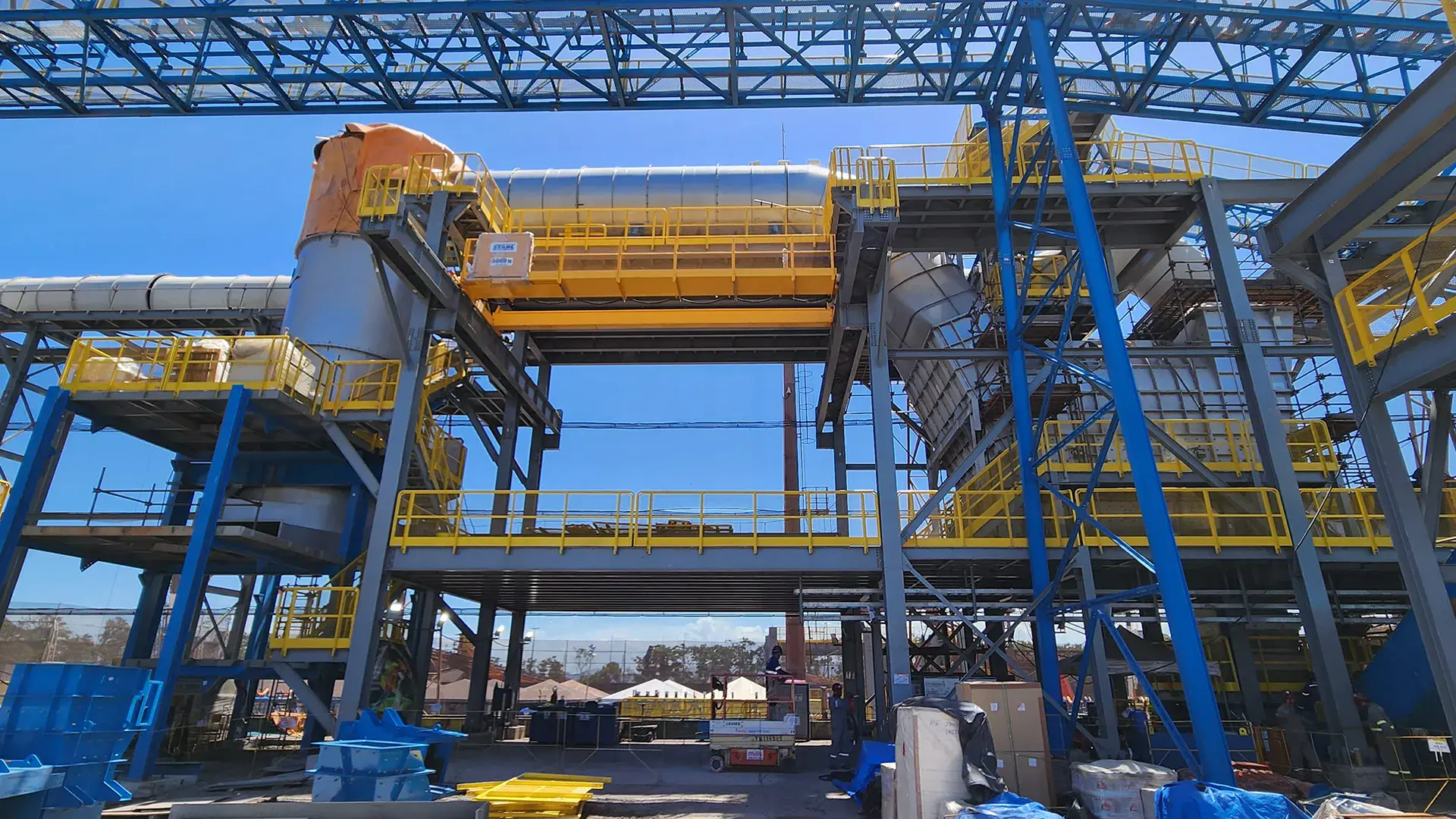
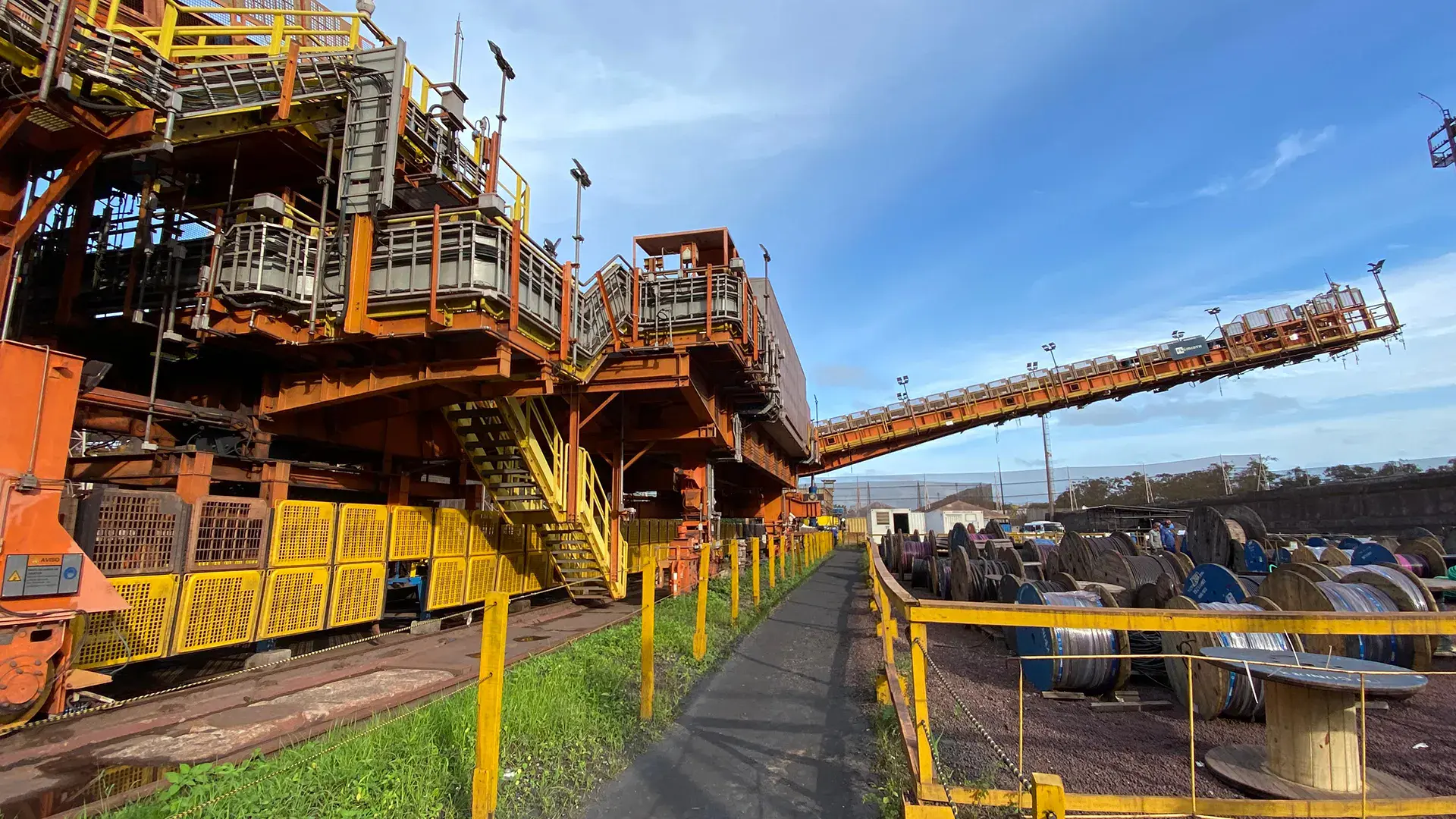
Usina 1, the first large-scale briquette plant, is now operational in Vitória, Brazil. However, Vale wanted to extend this program internationally. The USD 340 million project involved converting an outdated pellet plant into a modern, sustainable facility and coordinating over 1,500 construction work packages across three schedules. Therefore, Vale partnered with Deloitte, a multinational professional services network providing advisory services. Their role was to help implement and integrate advanced work packaging, BIM, and lean methodologies.
Navigating digital hurdles
Vale planned to have additional plants in the United States and throughout the Middle East. They had to convert an outdated pellet plant into a cutting-edge, sustainable production facility, located within an existing brownfield site, and later expanded with new greenfield infrastructure. However, there was a lack of detailed 3D models from the beginning, with detailed vendor models only available during project execution, which limited their value for early planning.
Deloitte and Vale knew that it was critical to have digital technology integration from the outset. They initially worked with a 3D model review and coordination software for architecture, engineering, and construction professionals. However, when they tried to use that software to generate follow-up videos, they found that it had critical limitations, including not being able to compare baselines and monitor progress trends effectively.
Key Takeaways
- SYNCHRO helped create a digital approach that improved traceability, allowing them to identify and resolve 70% of critical errors in advance
- The team monitored over 1,500 different activities, resulting in 41% improvement in schedule accuracy
- With SYNCHRO, they ensured that a cargo movement of over 300 tons was executed safely while coordinating with hundreds of professionals
Project Playbook

AI and 4D planning in action
After considering their options, Deloitte and Vale implemented advanced work packaging (AWP) and BIM workflows, with Bentley’s SYNCHRO serving as the core solution for project planning, execution, and control. The team was able to create a digital twin that linked to work packages to the schedule itself, enabling dynamic and collaborative planning. “SYNCHRO 4D supported all stages of construction, from initial engineering to commissioning, enabling integrated, transparent, and efficient project management,” said Lavocat. The software’s visualization capabilities allowed for more precise alignment among the various teams, increasing visibility into project processes and reducing rework. The model became the foundation for the project from engineering through to commissioning.
The team also used SYNCHRO to support high-load lifting analysis through model export and integration with Unreal Engine, further enhancing realistic building simulations. The team was able to monitor construction activities by applying custom subdivisions, linking the user fields to specific resources, and allowing the assembly team to provide status updates through Excel spreadsheets. This workflow efficiently tracked over 100 steps, and the integration with Power BI allowed for visual progress tracking, early deviation detection, and informed decision-making.
And as an added innovation, the team implemented the integration of AI. The team was able to use AI to automatically transcribe voiceovers in SYNCHRO-generated videos, improving traceability of technical discussions and making critical information more accessible for future reference. In fact, the team was able to cut the time required to consolidate and distribute technical information across multiple teams by 50%.
Setting a new standard
According to Lavocat, “SYNCHRO played a critical role in identifying risks early and supporting strategic decision-making.” The team’s use of the software created a digital approach that improved traceability, allowing them to identify and resolve 70% of critical errors in advance. They were able to monitor over 1,500 different activities, resulting in 41% improvement in schedule accuracy and an average reduction of 10 days in the approval cycle of management reports. The team produced over 60 illustrative reports and 900 images and videos based on the 4D model, leading to the identification and removal in advance of more than 2,000 constraints.
But more importantly, Deloitte and Vale created a system that is safer and more environmentally sustainable. With SYNCHRO, they ensured that a cargo movement of over 300 tons was executed safely while coordinating with hundreds of professionals. The successful use of SYNCHRO and integrated planning is now being applied to other major projects in the program and has become a benchmark for Vale’s global briquette plant developments.