SUB NAVIGATION
Empowering Sustainable Development Goals
What is Sustainability?
Traditional ESG (Environmental, Social, and Governance) standards and metrics primarily focus on monitoring and reducing negative environmental and social impacts associated with a company’s operations. While this is essential for all organizations – including Bentley, which has made strides to reduce its impact across the supply chain – our commitment goes beyond reducing our footprint. Instead, we emphasize our handprint to reflect our purpose and bring attention to the positive impact our software can make across infrastructure sectors, aligned with UN Sustainable Development Goals (SDG).
For Bentley, sustainable infrastructure is the result of transparently balancing economic, environmental, and social outcomes so all stakeholders feel part of the solution – enabling professionals to design, build, and operate infrastructure more sustainably, and ensure it is more resilient.
Our global impact
Bentley products are used to enable people to design, build, operate, and maintain better and more resilient infrastructure. Read about how we are empowering their work and delivering against our impact strategy in our four key areas: handprint, environmental, social, and governance.
Vision and Future Direction
We recognize that the growing threat of climate change requires rapid, unprecedented transformation. Creating future-proofed infrastructure will play a key role in protecting the environment.
At Bentley, our vision is influenced by the unprecedented transformation that will need to happen in the upcoming years to achieve sustainable development goals and future-proof the world’s infrastructure. Infrastructure digital twin solutions will be an essential enabler and accelerator in this journey. Infrastructure digital twin solutions and sustainable development go hand in hand. We will continue to shape our sustainability solutions and enhance our environmental handprint to help address these critical challenges:
- Energy Transition and Efficiency
-
Energy Transition and Efficiency
While emerging technologies need acceleration, investment, and consolidation to help in the long-term, the most effective way to future-proof infrastructure right now is through quick wins with existing, low-cost, and mature technologies. For example, optimizing design to reduce materials used during construction will reduce the resulting carbon footprint. Additionally, digital twins are widely used for clean energy transition.
- Healthy Cities
-
Healthy Cities
Since 70% of greenhouse gas emissions come from cities, they are simultaneously the biggest driver and the biggest victim of climate change. We need to keep finding solutions and technologies to reverse this trend and empower thriving cities to balance quality of life, health, decarbonization, and climate resilience.
- Circularity for Land and Water Resources
-
Circularity for Land and Water Resources
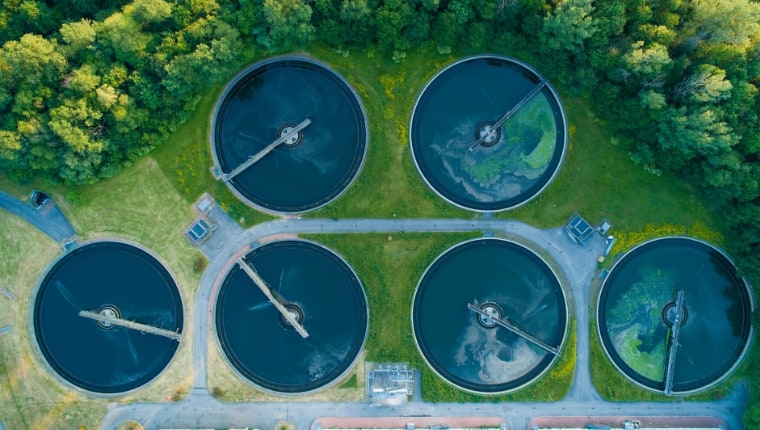
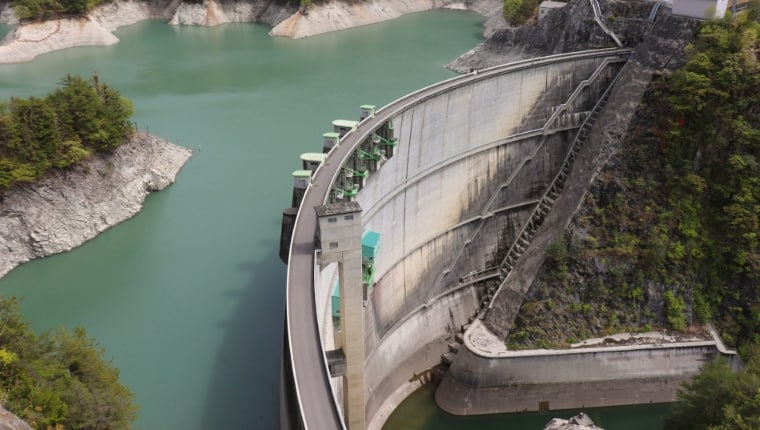
Adopting circular principles for resource management benefits everyone on our planet. They reduce waste and pollution, circulate products and materials at their highest value, and regenerate nature. Adopting a circular strategy for land and water resources is crucial. Responsible mining and efficient water cycle management are two examples of increasing infrastructure circularity.
- Climate Action
-
Climate Action
The impact is clear – at least 85% of the global population has already been affected by climate change and extreme weather events. Infrastructure construction and operations are the biggest contributor to our changing climate, as they generate 70% of all greenhouse gas emissions. Though full decarbonization will be an extraordinary task that could take many years, we need to adapt and increase our resiliency to the climate change affects that are already happening.
Energy Transition and Efficiency
While emerging technologies need acceleration, investment, and consolidation to help in the long-term, the most effective way to future-proof infrastructure right now is through quick wins with existing, low-cost, and mature technologies. For example, optimizing design to reduce materials used during construction will reduce the resulting carbon footprint. Additionally, digital twins are widely used for clean energy transition.
Healthy Cities
Since 70% of greenhouse gas emissions come from cities, they are simultaneously the biggest driver and the biggest victim of climate change. We need to keep finding solutions and technologies to reverse this trend and empower thriving cities to balance quality of life, health, decarbonization, and climate resilience.
Circularity for Land and Water Resources
Adopting circular principles for resource management benefits everyone on our planet. They reduce waste and pollution, circulate products and materials at their highest value, and regenerate nature. Adopting a circular strategy for land and water resources is crucial. Responsible mining and efficient water cycle management are two examples of increasing infrastructure circularity.
Climate Action
The impact is clear – at least 85% of the global population has already been affected by climate change and extreme weather events. Infrastructure construction and operations are the biggest contributor to our changing climate, as they generate 70% of all greenhouse gas emissions. Though full decarbonization will be an extraordinary task that could take many years, we need to adapt and increase our resiliency to the climate change affects that are already happening.
Beyond Reactive: How Digital Intelligence Is Enabling Infrastructure Resilience For A Climate-Disrupted World
Infrastructure resilience is shifting from a long-term ambition to an immediate operational and strategic priority. This report explores how infrastructure owners and operators are evolving their approach to resilience, drawing on insights from senior executives across key sectors. It assesses strategy maturity, climate risk management, and the financial, technical and organizational barriers limiting progress.