

JUN 10, 2025
When the Lights Went Out: Stories from the Iberian Blackout
Nicole Pearson, Director, Energy Industry Marketing
- A major blackout hit Spain, Portugal, and southern France, disrupting life for millions.
- Bentley employees shared firsthand stories.
- The outage stemmed from a sudden 15-gigawatt loss; investigations are ongoing.
- The event highlights the need for resilient, digital infrastructure.
On April 28, 2025, the Iberian Peninsula went dark.
A sudden, cascading power outage swept across Spain, Portugal, and parts of southern France, cutting electricity to tens of millions. In an instant, daily life was disrupted—transportation halted, communications failed, and uncertainty took hold. For many, it was a moment of confusion. For others, a wake-up call.
At Bentley, several colleagues experienced the blackout firsthand. Their stories offer a human lens on a deeply technical event—and a powerful reminder of why resilient infrastructure matters more than ever.
“It Felt Like a Movie”

Fernando Gordo García, enterprise success manager at Bentley, was mid-flight when the outage began.
“We took off from Spain and everything was normal. When we landed, our phones were flooded with messages—family asking if we were okay, if we could fly back. It felt like a movie.”
Back on the ground, Ana Rolan, program development manager, was in a virtual meeting when her screen suddenly went black.
“At first, I thought it was just our building,” she said. “But then I started getting messages from neighbors—this was happening across Spain and Portugal. That’s when it got really concerning.”
As the hours passed, the scale of the disruption became clear.
“Our water wasn’t even working,” Ana noted. “It made me realize how deeply our lives are tied to infrastructure—and how fragile that connection can be.”
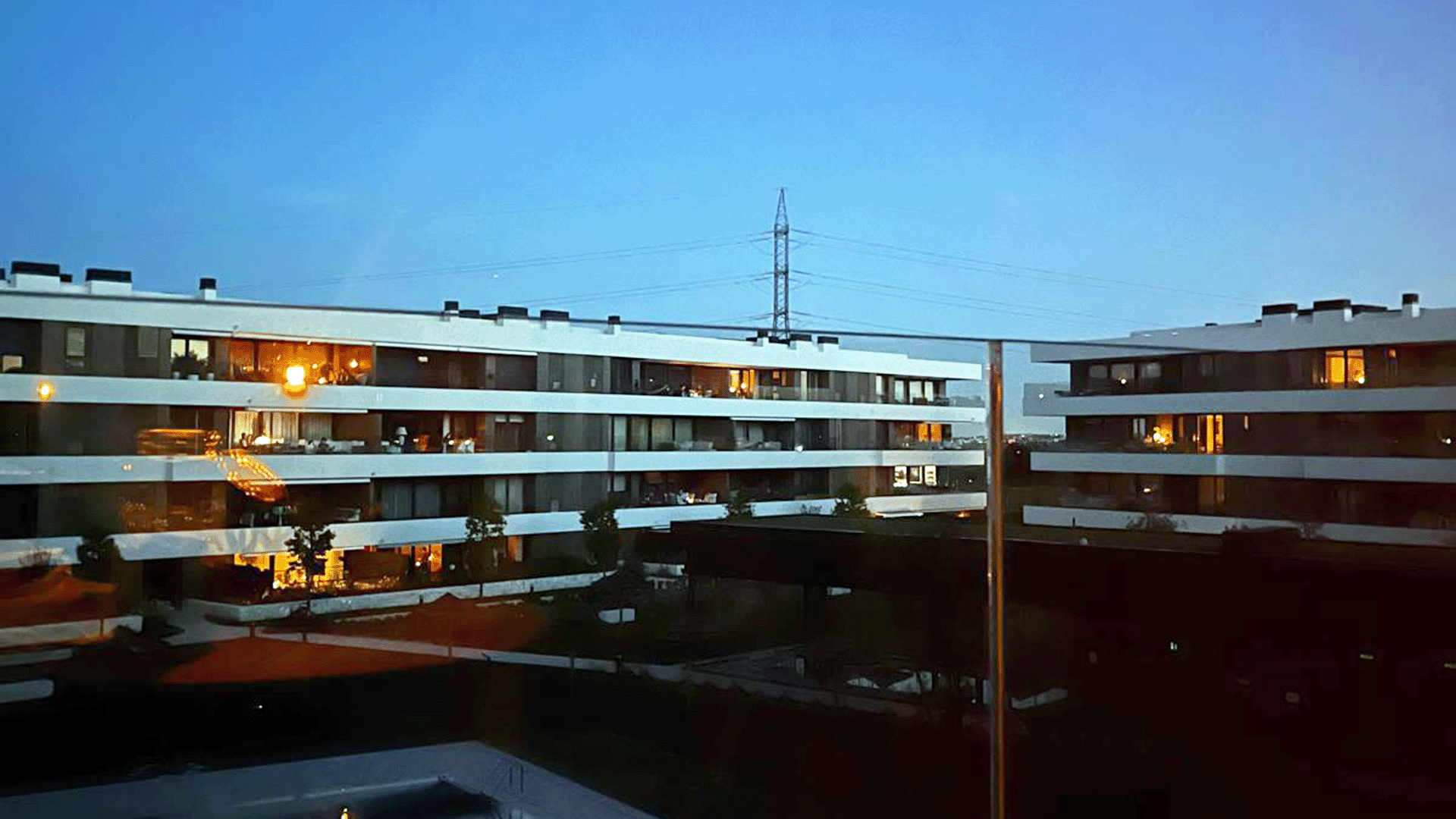
A Systemic Shock
The outage, a large-scale power grid failure that lasted nearly a full day in some areas, was triggered by a sudden 15-gigawatt loss in electricity generation—enough to destabilize grid frequencies across the region. The cause remains under investigation.
“It’s surprising and unsettling that we still don’t know what caused it,” Fernando said. “That uncertainty is part of what makes this so serious.”
National and EU-level investigations are underway, but for those who lived through it, the blackout was more than a technical failure—it was a moment of reflection.
Infrastructure in the Spotlight
“The most surprising thing was how much we depend on electricity for everything—beyond just the lights,” Fernando said. “Communication relies on power. Not being able to reach my wife and child was the hardest part.”

Ana added:
Everyday basics, including water supply supported by electric pumps, are impacted when power goes out. “From cooking and bathing to working and even buying basic items—everything stopped. It made me think the old way of living was probably more intelligent in some aspects.”
Both emphasized the importance of resilience—not just in infrastructure, but in how we prepare for the unexpected.
No Two Grids Are Alike, But Everyone’s Preparing
While power systems differ around the world—from tightly integrated grids to more localized networks—utilities everywhere face the same core challenge: how to ensure reliability in a rapidly changing energy landscape.

In the U.S., where, according to U.S. Energy Information Administration, the average customer experiences less than two hours of outages per year, utilities are investing in both traditional upgrades and next-gen solutions like virtual power plants and microgrids. Globally, providers are navigating the same balancing act—modernizing infrastructure, integrating renewables, and redefining resilience in the face of climate change, cyber threats, and shifting demand.
“From India to Australia, every utility I have spoken with is facing the same challenge: how to modernize for a more reliable, flexible grid,” said Brad Johnson, director of industry solutions for electric utilities at Bentley. “The tools may differ, but the urgency is shared—and Bentley is helping turn that urgency into action.”
The Role of Digital Infrastructure
While no digital tool can prevent every outage, technology plays a critical role in how we plan, monitor, and respond to them.
“Bentley’s tools can support better design of substations and distribution networks,” Fernando noted. “They help utilities model and visualize different scenarios, improving how we respond to events like this.”
Ana agreed.
“Our role at Bentley is key—and our work feels more important than ever,” she said. “Engineers and infrastructure professionals are essential to keeping society running.”
A Reminder About Resilience
This outage reminded us that resilience isn’t just a buzzword—it’s a necessity. As energy demands grow more complex and weather events make climate resilience a bigger priority, our infrastructure must evolve. That evolution starts with better design, better data, and better tools.
At Bentley, we’re not just building software. We’re helping build a more resilient world—even when the unexpected happens.
Find out how Bentley is empowering electric utilities worldwide.